AI vs. Traditional Methods
Old Way vs. New Way: How an AI Room Design App Is Changing Home Makeovers
July 20, 2026 · 7 min read · DecorAI Team
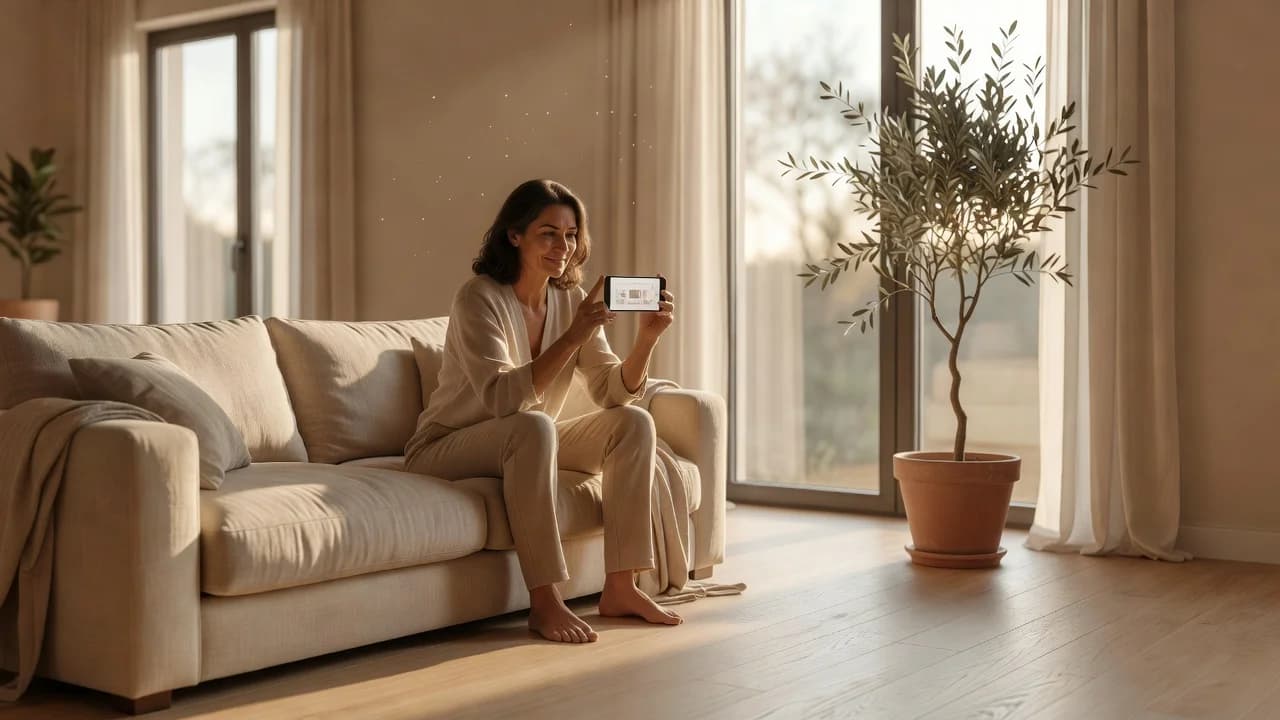
Every home makeover starts the same way: you look at a room and imagine it different. What happens next is where the old way and the new way split completely. The old way is swatches, saved Pinterest boards, and a lot of guessing. The new way is an AI room design app that shows you your actual room, redesigned, before you buy anything. Here's a plain-language look at both, and why the new way has become the sensible default for anyone starting a home refresh in 2026.
The Old Way: Swatches, Boards, and Guesswork
For decades, redecorating meant collecting inspiration — magazine tears, Pinterest boards, paint chips taped to the wall — and hoping it translated to your actual space. You'd buy a paint sample, live with it for a week, decide it looked nothing like the Pinterest photo, and start over. Furniture shopping worked the same way: you'd screenshot a sofa, estimate whether it would fit, and find out for certain only after it arrived. It wasn't a bad process — it was simply the only one available, and it relied entirely on your ability to picture a finished room from disconnected pieces.
This method also rewarded people who already had design experience. Choosing a cohesive palette, understanding scale, and knowing how light changes a color through the day are skills, not instincts — which is part of why Architectural Digest and similar publications built entire careers around translating those skills for readers one room at a time.
The New Way: Photo In, Redesign Out
The new way starts differently: instead of collecting inspiration and hoping it applies to your room, you upload a photo of your actual room into an AI interior design app. DecorAI reads the real geometry of the photo — your windows, your ceiling, your doorway — and generates a redesign in the AI interior style you choose, whether that's Scandinavian, Japandi, bohemian, or mid-century. What used to take a weekend of guessing now takes under a minute, and the result is specific to your room rather than a general idea of a style.
The practical effect is that you skip the guesswork stage entirely. Instead of imagining whether warm oak flooring would suit your living room, you see it. Instead of wondering if a bohemian home office would feel cluttered or cozy in your actual space, DecorAI shows you both possibilities before you buy a single item.
Why the New Way Reduces Decision Fatigue
Choosing between dozens of paint colors, fabric swatches, and furniture styles without a clear picture of the end result is mentally exhausting — a pattern researchers describe as choice overload, where too many options without enough information make decisions harder, not easier. An AI room design app collapses that overload: instead of comparing abstract swatches, you compare finished, photorealistic rooms side by side and pick the one that feels right. That single shift — from imagining to seeing — is the core reason AI interior design has moved from novelty to normal so quickly.
Old Way vs. New Way: A Direct Comparison
Time investment
Old way: hours of browsing inspiration, days or weeks testing swatches in person. New way: a photo and a few taps in DecorAI, with results in seconds.
Cost of testing ideas
Old way: sample pots of paint, returned furniture, sometimes a paid design consultation just to explore options. New way: free, since DecorAI lets you generate and compare AI interior styles at no cost before spending anything on the room itself.
Confidence in the result
Old way: you find out if a style works after you've already committed — paint on the wall, furniture in the room. New way: you see a realistic preview of your specific room first, so the only surprises left are good ones.
A Real Example: Redesigning One Living Room Two Ways
Picture the same living room approached both ways. The old way: you save twelve Pinterest photos of Scandinavian living rooms, buy a sample pot of off-white paint, tape a few swatches to the wall, and try to imagine how a new sofa color would sit against it — all before you know if the style even suits the room's light and proportions. Total time: a weekend, at least, plus a follow-up trip to return the paint you didn't like.
The new way: you open DecorAI, upload one photo of that same living room, and select Scandinavian as your AI interior style. In under a minute you have a photorealistic redesign that keeps your actual window, your actual floor, and your actual proportions — just restyled. You can immediately generate a second and third version in coastal and Japandi styles to compare, all before your Pinterest boards would have finished loading. That's not a hypothetical efficiency gain; it's the literal difference between imagining and seeing.
Why This Shift Matters Beyond Convenience
The old way wasn't just slower — it was riskier. Committing to paint, furniture, or a full room refresh based on inspiration photos of someone else's space meant a real chance of buyer's remorse once it was installed in yours. The new way front-loads that risk into a free, reversible step: you see the result on your own walls, in your own light, before you spend anything. For renters especially, that matters — you can't always return a mistake the way you can return a paint sample, but you can always generate a different AI interior style and try again.
What Doesn't Change
The new way doesn't replace taste — it accelerates it. You still decide what feels like home, what colors you love, and what the room needs to do for your life. What changes is how quickly and cheaply you can test that taste against reality. Many DecorAI users still browse for inspiration the old way and then bring their favorite photo straight into the app to see it applied to their own room, which is arguably the best of both approaches — read more about how that plays out for larger renovation decisions in AI Interior Design vs. Traditional Interior Designer.
How to Try the New Way on Your Own Home
Switching from the old way to the new way doesn't require giving up anything you already do — it just adds a fast, free step before you commit. Start with the room that's bothered you the longest, the one you've half-redecorated in your head a dozen times. Take a clear, daytime photo with the lights on, upload it to DecorAI, and pick the AI interior style closest to what you've been imagining. Generate two or three variations before you settle on one — the value of the new way isn't just speed, it's that comparing costs nothing, so there's no reason to stop at your first idea.
Once you have a redesign you like, use it as a shopping and planning reference: match the wall color, look for furniture in a similar shape and tone, or bring the image to a contractor if the project involves more than styling. The AI interior design app doesn't need to be the only tool you use — it just removes the guesswork from the very first decision, which is usually the hardest one to make with confidence.
The New Way Is Becoming the Default, Not the Exception
A few years ago, using an AI room design app felt like a novelty — a fun way to see a fantasy version of your living room that had little bearing on reality. Photo-based AI interior design has closed that gap. Because DecorAI starts from your real room instead of inventing one, the "new way" now produces results people actually act on: repainting a wall, buying a specific style of sofa, or deciding a renovation is worth pursuing. That's the real marker of the shift from old to new — not that the tool is more impressive, but that people trust it enough to make real decisions from it.
Frequently Asked Questions
What is the "new way" of redecorating a room?
The new way uses an AI interior design app to redesign a photo of your actual room in seconds, replacing swatches and guesswork with a realistic before-and-after preview you can act on immediately.
Is the new AI way more accurate than the old way of guessing?
Yes, because it starts from a photo of your real room rather than a generic inspiration image. DecorAI keeps your actual layout intact, so what you see is close to what you'd get in real life.
Do I still need inspiration photos if I use an AI room design app?
No, though you can still use them for reference. DecorAI's built-in AI interior styles already cover more than fifty looks, from japandi to farmhouse, so most people start directly inside the app.
Is redecorating with an AI app reversible if I don't like the result?
Completely. Since DecorAI only generates a preview image, you can try as many AI interior styles as you want on the same photo with no cost and no risk, unlike buying paint or furniture based on a guess.
Try the new way yourself: download DecorAI free on iOS or Android and upload a photo of any room you're thinking about refreshing.